
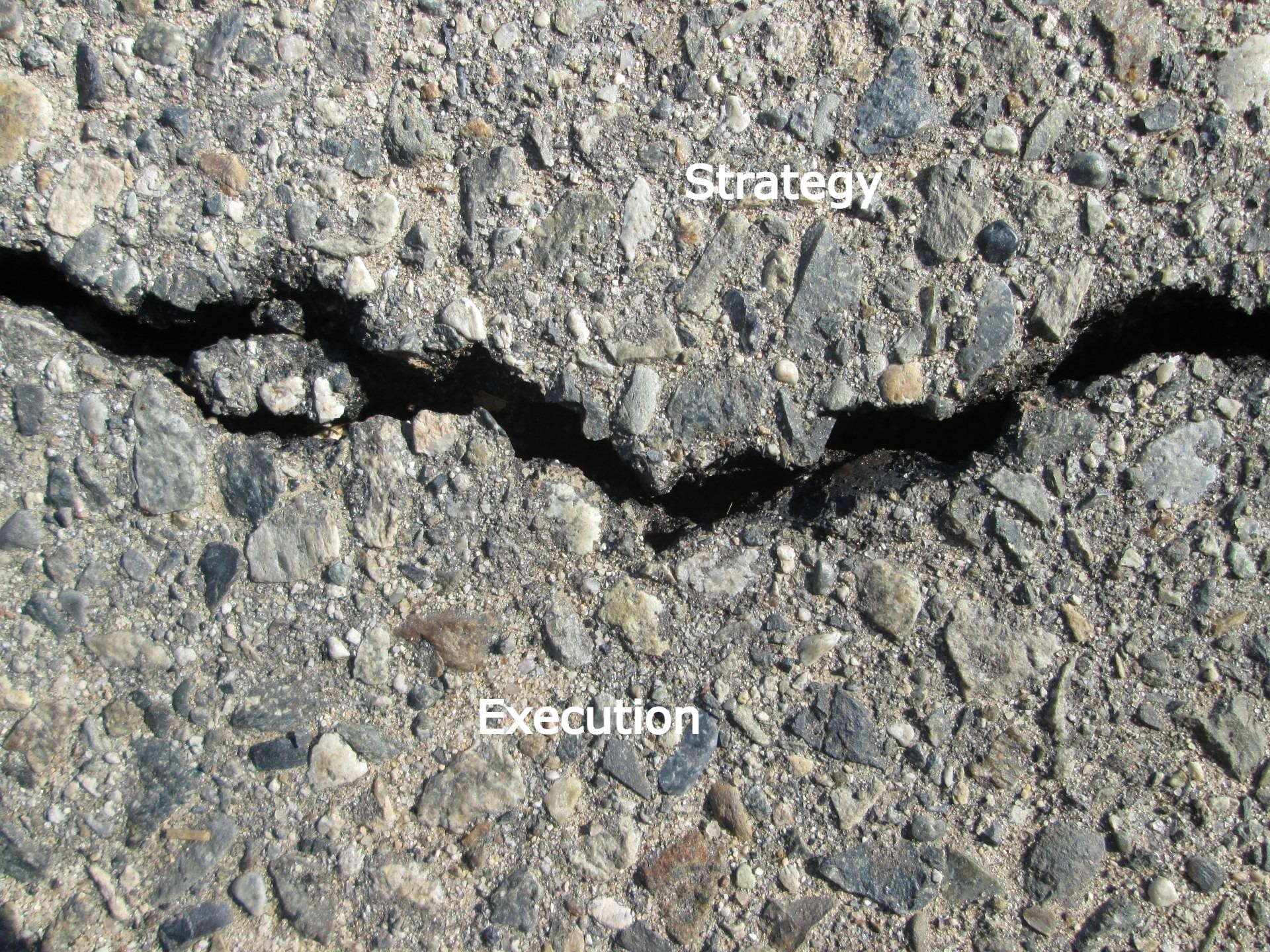
Strategy without execution is hallucination. While strategy provides a roadmap, it is execution that delivers results. To ensure execution is carried out as effectively as possible, companies need to practise specificity in three areas.
- Goal specificity
Strategic goals are often expressed in broad language. Words such as growth and efficiency are seemingly straightforward and clear. However, they leave a lot of room for interpretation.
For example, market share growth is not specific enough. A 3% market share growth in the student market defines clearly which market segment the company wants to focus on and how much growth it aims to achieve.
When goals are not clearly defined, people would improvise. Basing on their area of responsibility, they quickly associate the goal to how best they can contribute. This leads to many initiatives that could be worked on.
The result is a smorgasbord of initiatives. Some of them would hardly make a noticeable impact. Subsequently, employees are bombarded with side projects that demand their time.
To practise goal specificity, turn goals into measurable results. Ask questions on what success looks like and identify performance indicators for measurement. The thought process requires thorough thinking about tangible, measurable results.
Goal specificity serves as a filter to avoid wasting staff time and money on initiatives that are not linked to the goal. Managers would be able to focus on work that truly delivers impactful results.
- Accountability specificity
Once the goals are clearly defined, accountability assignment ensures a person is identified to own the result for the goal. Accountability specificity is necessary to make it transparent that everyone knows who is accountable for performance.
From the high-level goal, cascading accountability to department and team levels makes it clear what each team ought to focus on to support the high-level goal.
There is an orderly approach to cascade accountability.
Using the market share growth in student market as an example, the Marketing director would be accountable for the 3% growth.
To cascade accountability to the marketing and sales teams, work with them to determine how each team would contribute. Look for causality linkages to line up their respective initiatives.
For example, the Marketing team might invest in additional campaigns targeting the student market. The Sales team could allocate more time to follow up on leads generated.
The purpose of cascading accountability is to identify focus for teams and steer them away from work that competes for time and effort. Accountability specificity serves to remove noise and accelerate execution.
- Results measurement specificity
Results measurement reveals performance gaps. A comparison of results with targets makes it clear whether action is necessary to correct course.
Financial KPIs (key performance indicators) are most straightforward. The tricky ones are operations KPIs. Fortunately, there is a deliberate thought process to develop KPIs that reflect success.
When goals are turned into measurable results, you can design appropriate KPIs to monitor performance. Through cascading accountability, a similar process can be used to articulate meaningful KPIs at the team level.
The key is to plan ahead on KPIs that are useful, capture the required data and make it accessible for decision-making.
Results measurement specificity elevates visibility on results, allowing teams and managers to see where the gaps are in executing the strategic plan. This is an overlooked area that leaders need to pay more attention to.
Specificity is clarity, clarity drives focus. Focus removes distractions that stall execution. Goal specificity enables everyone across the company to have a clear understanding on what the strategic results are. Accountability specificity identifies who is held accountable for the result. Results measurement specificity improves visibility on performance.
When teams are clear on what they need to focus their efforts on, what they are accountable for, and have visibility on how they perform, they align their decisions and actions. Strategy execution becomes more orderly, and results follow.
To read more on How to Use KPIs to Close the Strategy and Execution Gap, click here.